
Paint does more than make a house look good. It is the first layer of defense between your walls and the sun, rain and salt air. When that layer starts to fail, exterior painting stops being a cosmetic choice and becomes basic home protection.
The tricky part is that paint rarely fails all at once. It fades a little each summer, a crack opens near a window, and a corner of trim goes soft. By the time most homeowners notice, moisture may already be working its way into the wood or stucco underneath.
This guide walks through the seven warning signs we look for when we inspect a home, a few simple tests you can do yourself, what exterior painting costs in 2026, and how to keep a fresh paint job looking good for years.
The quick answer:
- Peeling, blistering, chalky or badly faded paint means the coating is no longer protecting your home.
- Cracked stucco, soft trim, failing caulk and mildew that keeps coming back are signs that moisture is getting in.
- Most exteriors need repainting every 5 to 10 years, depending on the surface, sun exposure and how well the last job was prepped.
- Angi puts the national average for exterior painting at about $3,177, with most homeowners paying $1,819 to $4,551.
Why Exterior Paint Fails Faster in Southern California
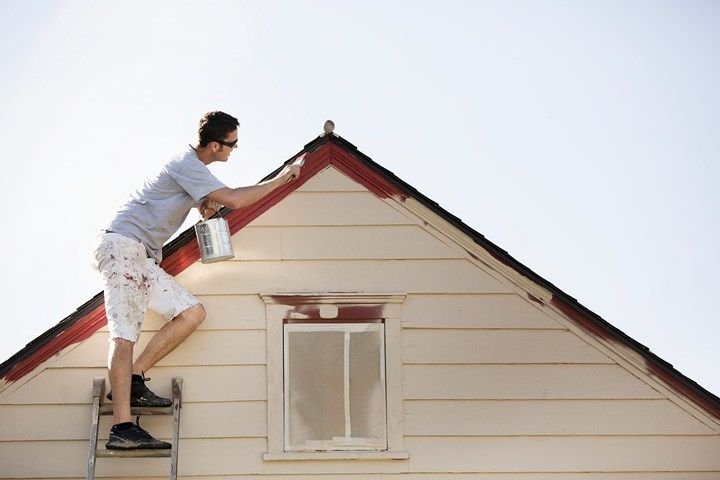
Los Angeles weather looks gentle, but it is hard on paint. Strong year-round sun breaks down the binders and pigments in exterior coatings, so south- and west-facing walls usually fade and chalk first. Near the coast, morning marine layer keeps shady walls damp long enough for mildew to grow. Dry Santa Ana winds carry dust and grit that wear down the finish.
Add the region’s mix of stucco homes, older wood-sided houses and buildings from before 1978, and you get a wide range of paint problems. Knowing which ones matter most helps you decide whether you need a touch-up, a repair or full residential exterior painting.
7 Warning Signs Your Home Needs Exterior Painting
1. Peeling, Cracking or Blistering Paint
This is the clearest sign of all. When paint peels or flakes, it has lost its grip on the surface. Blisters, the small bubbles that form under the film, usually mean moisture or heat is pushing the paint away from the wall.
Every bare spot lets water reach the material underneath. On wood, that leads to swelling and rot. On stucco, water can travel behind the finish coat. Scraping and touching up a small area can buy time, but widespread peeling means it is time for full exterior painting with proper prep.
2. Fading and Chalky Residue
Faded color is more than an eyesore. It shows the sun has broken down the top layer of paint. Try the chalk test: rub your palm or a dark cloth across a sunny wall. If it comes away with a powdery residue, the paint is chalking, and its protective film is wearing thin.
Light chalking can be washed off before repainting. Heavy chalking means the coating is near the end of its life and ready for exterior painting. Painting over it without cleaning first leads to poor adhesion and early peeling.
3. Cracks in Stucco or Siding
Hairline cracks in stucco are common as homes settle and temperatures swing. Left alone, they let water seep behind the surface, where it can damage the lath and framing. Wider cracks, or cracks that run in a stair-step pattern, should be looked at before any painting starts.
A good painter patches and seals these cracks first, then uses an elastomeric or masonry coating suited to stucco. Painting over open cracks only hides the problem for a season or two.
4. Soft, Rotting or Bare Wood
Press a screwdriver gently into window sills, fascia boards, door trim and the bottom edges of siding. If the wood feels soft, crumbles or shows dark staining, moisture has already gotten in. Bare gray wood with no paint left on it is close behind.
Rotted sections need to be cut out and replaced before exterior painting. Catching it early often means swapping one board instead of rebuilding a whole section of trim, which is why we pair repairs and painting on the same visit.
5. Mildew, Stains and Discoloration That Keep Coming Back
Green, black or gray patches on shaded walls are usually mildew or algae. Rust-colored streaks below nails, and dark trails under gutters or windows, point to water running where it should not. Washing helps, but if stains return within a few months, the paint has become porous and is holding moisture.
At that point, the fix is to clean the surface thoroughly, treat the growth, repair the water source and apply fresh paint that sheds water again.
6. Failing Caulk and Gaps Around Windows and Doors
Caulk seals the joints where siding meets trim, windows and doors. Over time it dries out, shrinks and pulls away. Look for cracked, missing or separated caulk lines, especially on sunny sides of the house.
Open joints let in water, drafts and insects. Recaulking is a normal part of any quality exterior painting job, and it is one of the most important steps for making the new paint last.
7. It Has Been More Than 5 to 10 Years
Even if nothing looks wrong yet, paint has a working life. Most exterior paint lasts about five to ten years. Wood siding often needs repainting sooner, while well-maintained stucco can last longer. Our guide to Exterior Paint Maintenance breaks down how long paint lasts on each surface and what shortens its life.
If you cannot remember when the house was last painted, or you bought it and do not know, a quick inspection can tell you how much life the current coating has left.
| Warning sign | Quick check | Typical fix |
| Peeling or blistering | Look under eaves and around windows | Scrape, sand, prime and repaint |
| Fading and chalking | Rub a dark cloth on a sunny wall | Wash, then repaint |
| Stucco or siding cracks | Look for hairline or stair-step cracks | Patch and seal, then elastomeric or masonry paint |
| Soft or rotted wood | Press a screwdriver into trim and sills | Replace damaged wood, prime and paint |
| Recurring mildew or stains | Note stains that return after washing | Clean, treat, fix water source, repaint |
| Failing caulk | Check joints at windows, doors and trim | Remove old caulk and recaulk before painting |
| Paint over 5 to 10 years old | Check records or ask for an inspection | Plan a full repaint |
Other Good Reasons to Schedule Exterior Painting
Not every repaint starts with damage. Homeowners also plan residential exterior painting when they:
- Are getting ready to sell. A clean, fresh exterior improves listing photos and first impressions.
- Just finished repairs. New stucco patches, replaced boards or new windows need paint to match and to stay protected.
- Want a new look. A color change can update an older home without a major renovation.
- Have neighbors or an HOA asking for upkeep. Faded or peeling paint can bring complaints or notices.
How Much Does Exterior Painting Cost?
Exterior painting costs depend on the size of the home, the number of stories, the surface type and, most of all, how much prep work the house needs. Angi reports a national average of about $3,177, with most homeowners paying $1,819 to $4,551 and a full range of $600 to $7,700. Professional pricing generally runs about $1.50 to $4 per square foot of paintable area.
| Home size or type | Typical cost range |
| One-story home | $1,500 to $3,500 |
| Two-story home | $3,000 to $6,200 |
| Three-story home | $4,500 to $10,000 or more |
| 1,500 sq ft of paintable area | $2,250 to $6,000 |
| 2,000 sq ft of paintable area | $3,000 to $8,000 |
| Stucco exterior (per sq ft) | $1.50 to $4 |
| Wood siding (per sq ft) | $1 to $3 |
Prices in Los Angeles often land toward the higher end of these ranges because of local labor costs and the amount of stucco work involved. These figures are national guidelines, so your written estimate is what counts.
What Raises or Lowers the Price
- Prep work: Scraping, sanding, crack repair, wood replacement and recaulking add time but make the paint last.
- Height and access: Second and third stories need ladders, scaffolding or lifts.
- Surface type: Stucco and brick absorb more paint and take longer than smooth siding.
- Number of colors: Separate body, trim and accent colors mean more cutting-in and masking.
- Paint quality: Premium exterior paint costs more per gallon but usually lasts longer, which lowers the cost over time.
- Older homes: Homes built before 1978 may have lead-based paint, which requires lead-safe work practices.
A Note on Older Homes and Lead-Based Paint
Many Los Angeles homes were built before 1978, when lead-based paint was still in use. Scraping and sanding old paint can release lead dust that is harmful to children and pets. Under the U.S. Environmental Protection Agency’s Renovation, Repair and Painting rule, contractors paid to disturb more than 20 square feet of painted exterior surface on a pre-1978 home must be certified and follow lead-safe work practices.
If your home is that old, ask any exterior painting contractor how they will test for lead, contain dust and chips, and clean up. Do not dry-scrape or power sand old paint yourself.
DIY Touch-Up or Professional Exterior Painting?
Small touch-ups are a fair DIY job. If you have a few chips on a fence, a scuffed door or a short section of trim, a quality exterior paint and a good brush will handle it.
Professional exterior painting is the better choice when:
- Peeling, chalking or fading covers large areas of the house
- Stucco cracks, rotted wood or failing caulk need repair before painting
- The work involves a second story, a steep slope or a ladder on uneven ground
- Your home was built before 1978
- You want a finish that lasts close to the full life of the paint
A professional crew handles the full process: inspection, cleaning, repairs, priming, masking, two coats of paint and a final walk-through. That prep is where most of the value is, and it is the step most often skipped in DIY projects.
Exterior Paint Maintenance Tips to Make Your Paint Last
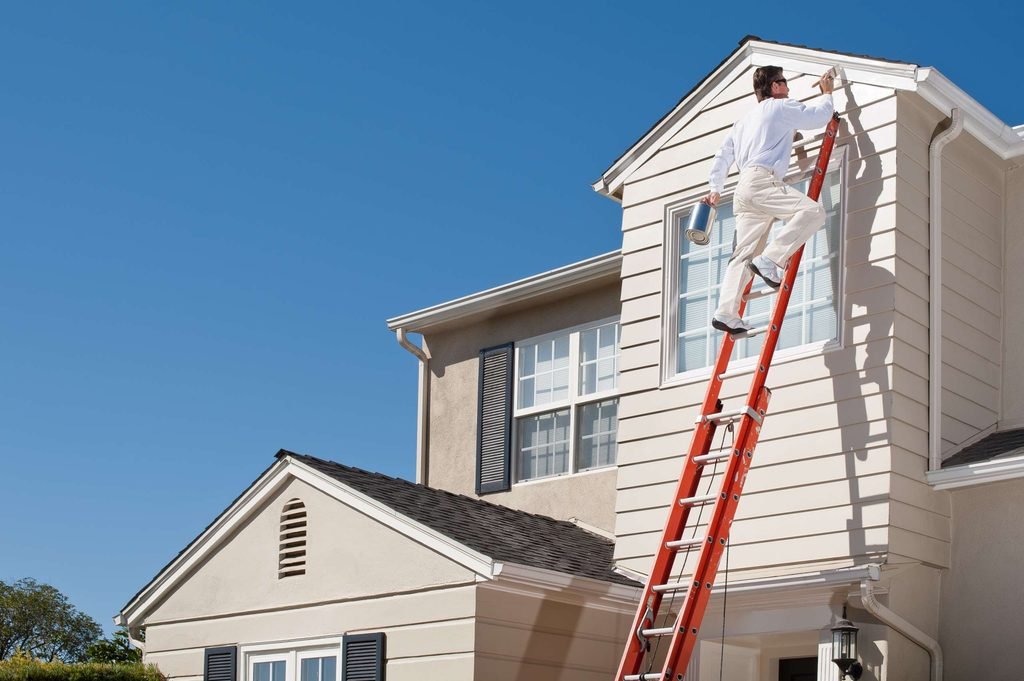
Fresh paint lasts longer when you look after it. A little upkeep each year can add years to your next exterior painting job.
- Wash the exterior once a year. Use a gentle wash to remove dust, pollen and mildew before they wear down the finish.
- Walk the house every spring and fall. Look for cracks, peeling spots, gaps in caulk and soft wood.
- Fix small problems fast. Touch up chips and recaulk open joints before water gets in.
- Keep gutters clean and working. Overflowing gutters send water down walls and over trim.
- Trim plants away from the walls. Leave a few inches of space so siding and stucco can dry out.
- Aim sprinklers away from the house. Daily overspray stains walls and feeds mildew.
How to Choose an Exterior Painting Contractor
Before you hire anyone, ask these questions:
- Will you inspect the house and list the repairs you find before you paint?
- What prep is included, such as washing, scraping, crack repair and recaulking?
- Which paint brand and product line will you use, and how many coats?
- Do you carry liability insurance, and can you show proof?
- How will you handle lead-safe practices if my home was built before 1978?
- Is the estimate written, with every surface and step listed?
This is where a handyman company has an advantage. A team that handles painting, carpentry, stucco patching and general repairs can fix what it finds on the same visit, rather than sending you to a second contractor.
Frequently Asked Questions
How often should a house be painted in Los Angeles?
Most homes need exterior painting every 5 to 10 years. Wood siding and walls that get strong afternoon sun may need it sooner. Stucco that is cleaned and maintained can last toward the longer end.
How much does exterior painting cost for an average home?
Angi reports a national average of about $3,177, with most projects between $1,819 and $4,551. Larger, multi-story or stucco homes, and homes that need more repairs, cost more.
What is the best time of year for exterior painting in Southern California?
Late spring through early fall is usually best, since paint needs dry weather and moderate temperatures to cure. In Los Angeles, painting is possible most of the year, as long as the crew avoids rain, very hot afternoons and damp marine-layer mornings.
Can I paint over peeling paint?
No. Loose paint must be scraped and sanded first, then bare spots primed. Painting over peeling paint traps the problem underneath, and the new coat will fail along with the old one.
How long does residential exterior painting take?
Most single-family homes take about three days to a week, depending on size, weather and how much repair work is needed first.
Does pressure washing help before painting?
Yes. Washing removes dirt, chalk and mildew so the new paint can bond. The surface then needs to dry fully, usually a day or more, before painting begins.
About Handyman & More
Handyman & More has served Southern California homeowners since 1981. The team works across Culver City, Los Angeles, Burbank, Santa Monica and Beverly Hills, offering interior and exterior painting with full surface preparation, along with pressure washing, tile and flooring installation, roofing, plumbing, electrical work, junk removal and general home maintenance.
Because the same crew can repair stucco cracks, replace rotted trim and paint, you get one estimate and one team for the whole job. Estimates are free, and seniors receive a discount.
Get a Free Exterior Painting Estimate
If you spotted even one or two of these warning signs, now is the time to act. Repainting before damage spreads costs far less than repairing rotted wood or water-damaged stucco later.
Handyman & More provides Exterior Painting in Los Angeles, CA with careful prep, quality paint and repairs handled by the same team. If you live closer to the Westside, explore our Handyman Services in Culver City, CA to see everything we can help with around your home.
Call (310) 384-2264 today for your free exterior painting estimate. We will inspect your home, point out what needs attention and give you a clear, written quote.