
Fresh paint can make a home feel brighter, cleaner, and better cared for. However, exterior paint does more than change the look of a house. It also helps shield siding, trim, doors, and other surfaces from sun, rain, wind, and changing temperatures. Knowing how long Exterior Painting can last helps homeowners plan ahead and avoid costly repairs.
Most exterior paint lasts about five to ten years. However, that range can change based on the surface, climate, paint quality, and preparation. A home in a mild climate may keep its finish longer. Meanwhile, strong sunlight and heavy rain can shorten its life.
1. How Many Years Does Exterior Paint Usually Last?
Exterior paint commonly lasts between five and ten years. However, some surfaces may need attention sooner, while others can stay attractive for longer. The type of siding plays a major role in the lifespan.
Wood siding often needs repainting every three to seven years. Aluminum siding can hold paint for about five to ten years. Stucco may keep its finish for five to ten years or more when properly maintained. Surface preparation remains another major factor. Clean, dry, properly prepared surfaces give paint a stronger base. Therefore, good preparation can help the finish last longer.
2. Climate Can Change Your Paint’s Lifespan
Weather can quietly shape the life of an exterior finish. Sunlight, humidity, rain, snow, and temperature changes all affect painted surfaces.
Strong ultraviolet rays can break down paint pigments over time. As a result, dark or bright colors may fade sooner. Meanwhile, moisture can cause paint to blister, peel, or lose its bond. Understanding local weather patterns makes paint maintenance more predictable. It also helps homeowners choose realistic repainting timelines.
3. Paint Quality and Surface Preparation Matter
Good paint needs a sound surface. Even high-quality paint can fail early when dirt, loose paint, moisture, or damaged material remains underneath. Primer can also play an important role. It can improve adhesion and help create an even base. However, the right primer depends on the surface and existing coating. Exterior Painting can last much longer when the surface receives proper preparation before application. Therefore, rushing this stage can reduce the value of an otherwise good paint job.
Key preparation factors
- Clean surfaces
- Dry materials
- Sound siding
- Repaired cracks
- Proper primer
“Paint protects best when the surface underneath can support it.”
This simple principle explains why preparation often matters as much as the paint itself.
4. Watch for These Signs That Paint Needs Attention
Paint rarely fails without warning. Instead, several visible signs can appear before a full repaint becomes necessary. Fading often appears first on walls that receive strong sunlight. Meanwhile, chalking may leave a powdery residue when the surface gets rubbed. Look closely around windows, doors, corners, trim, and areas near gutters. These spots often experience more moisture or movement.
Homeowners can watch for:
- Faded or uneven color
- Peeling or flaking
- Cracked paint
- Blisters or bubbles
- Powdery residue
- Exposed siding
Early signs do not always mean the entire house needs repainting. Sometimes a smaller repair can address a limited problem.
5. How Often Should a Home Be Repainted?
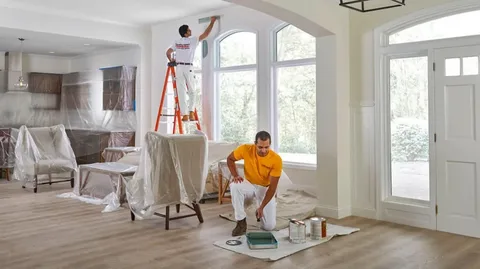
There is no single repainting schedule for every home. Instead, the right timing depends on climate, surface type, paint condition, and previous preparation.
A homeowner may expect wood siding to need attention sooner than fiber cement. Likewise, a home exposed to strong sun may need more frequent maintenance than one protected by shade.
Local market terms can sometimes create confusion. For example, Commercial Painting CA may refer to larger properties and different coating needs. Residential homes require a different assessment based on their materials and exposure.
6. Does the Type of Exterior House Paint Matter?
Yes, the type of Exterior House paint can influence durability, appearance, and maintenance needs. Different surfaces require coatings designed for outdoor exposure. Acrylic latex paint remains a common choice for many exterior surfaces. It can provide flexibility while handling normal weather changes. Oil-based coatings can work well in certain situations. However, their use depends on the surface and local requirements.
Paint finish also affects appearance. Flat finishes can hide minor surface flaws. Satin and semi-gloss finishes can make trim and doors easier to clean. The best choice depends on the material rather than personal preference alone. Wood, masonry, stucco, metal, and fiber cement can each have different coating requirements.
7. Can Maintenance Help Exterior Paint Last Longer?
Simple maintenance can help protect painted surfaces between major repainting cycles. Clean surfaces usually provide fewer opportunities for dirt and moisture to create problems. Gutters deserve special attention. Blocked gutters can send water down exterior walls, which may lead to staining or moisture damage. Homeowners can also keep an eye on caulk around windows and doors. Worn seals may allow moisture to reach areas that paint cannot protect.
A basic maintenance routine can include:
- Checking gutters
- Watching for peeling
- Inspecting trim
- Looking for cracks
- Checking areas around windows
- Removing buildup from surfaces
These simple checks do not guarantee a specific paint lifespan. However, they can help identify problems before they become larger repairs.
8. Choosing the Right Time for a Repaint
Timing matters when exterior paint begins to age. Waiting too long can expose siding and trim to weather. Painting too early may waste time and money. Look at the whole exterior rather than one small area. A single faded wall may need different attention than widespread peeling across the property.
Weather conditions also matter during painting. Paint generally performs best when temperatures and moisture levels fall within the manufacturer’s recommended range.
For homeowners researching local options, terms such as painting company Culver City or Painting Service Los Angeles may appear during online searches. Those terms describe local service markets rather than a universal painting standard.
A Fresh Finish Starts With Knowing the Surface
Paint has a story to tell. Fading, cracking, peeling, and chalking can reveal how an exterior handles time and weather. Understanding those signs gives homeowners a clearer view of what comes next.
Exterior Painting often lasts five to ten years, but conditions can shift that range. Good preparation, suitable paint, stable surfaces, and regular maintenance can all support longer performance.
Local service searches may also include Handyman Services in Santa Monica, CA, Expert Painting Services, or Handyman Services in Culver City, CA. However, the home’s materials and condition should guide any maintenance decision.
Ultimately, good exterior care starts with awareness. A thoughtful inspection today can protect the beauty, strength, and value of a home tomorrow. When painting, maintenance, and Handyman & More become part of a long-term home care plan, the exterior can remain ready for whatever season comes next.
FAQs
1. How long does exterior paint usually last?
Most exterior paint lasts about five to ten years. However, wood may need repainting sooner, while fiber cement can last longer.
2. What causes exterior paint to peel?
Moisture, poor surface preparation, old paint, excessive heat, and incompatible coatings can cause peeling. Peeling may also signal problems underneath the paint.
3. Does exterior paint fade faster in direct sunlight?
Yes, direct sunlight can speed up fading. Ultraviolet rays gradually affect paint pigments and finishes. South- and west-facing walls often receive stronger exposure in many parts of the
4. Can regular cleaning make exterior paint last longer?
Regular cleaning can help maintain the appearance of painted surfaces and remove dirt or buildup. However, cleaning cannot repair failing paint.
5. What is the best season for exterior painting?
The best season depends on the local climate and the paint manufacturer’s requirements. Mild temperatures, low moisture, and stable weather generally create better conditions.