
Choosing a new floor can feel exciting, yet the number of choices can quickly become confusing. Wood Flooring remains popular because it brings warmth, character, and a natural feel into almost any room. However, there is an excellent combination of beauty and stability, which comes with engineered hardwood. There are several reliable manufacturers that provide quality floors, but one needs to consider several factors before choosing the best product. Some are known for creating traditional looks, while others provide modern colors and larger planks. Thus, moving beyond the reputation of the manufacturer can bring better results. The flooring has not only to be beautiful, but also functional, durable and easy to clean. First of all, one has to select the most suitable option.
1. What Makes Engineered Hardwood a Smart Choice?
The engineered hardwood floor is composed of hardwood veneer on top of layers of wood below it. This kind of construction provides the flooring its strength while maintaining the beauty of wood. Engineered flooring consists of layers that are constructed for extra strength, unlike solid hardwood that only has one layer. Engineered hardwood therefore handles fluctuating moisture levels indoors more effectively compared to some solid hardwood floors. Engineered hardwood is therefore ideal for places where there are seasonal changes in temperature and humidity levels.
Consider these important features when comparing long-lasting flooring installation:
- Real wood surface: Creates an authentic appearance and natural texture.
- Layered core: Adds stability and helps reduce seasonal movement.
- Protective finish: Helps resist everyday scratches, stains, and wear.
The best choice should balance appearance, construction, durability, and price. Therefore, focus on the complete floor rather than judging quality by appearance alone.
2. Which Brands Make the Best Engineered Wood?
Several well-known companies manufacture engineered hardwood flooring. Nevertheless, there is no one company that manufactures the perfect engineered wood floor for any household. Different brands manufacture engineered hardwood floors that differ in style, construction, finishes, and price range. Good quality engineered wood manufacturers usually differentiate themselves through consistency, clear guarantees, wide variety of products, etc. Some also provide different wood species, plank width, texture, and colors.
Think about brands like Shaw, Bruce, Mohawk, Mannington, Anderson Tuftex, and Cali when choosing an engineered wood floor. All of these brands manufacture various collections, so choose individual products and not brands. Make sure the hardwood wear layer is thick if you are looking for durability. In addition, be aware of the core construction and finishes.
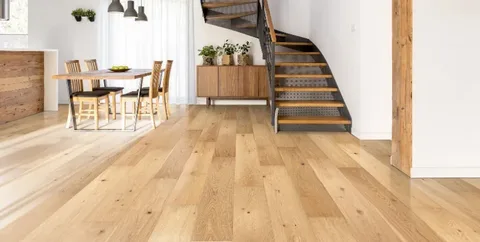
3. Is Shaw Engineered Wood Flooring a Good Option?
Shaw engineered wood flooring remains a recognizable choice for homeowners seeking real wood surfaces with modern construction. The company provides a wide range of styles, colors, textures, and plank options. Shaw flooring products can be suitable for both traditional and modern spaces. The only thing is that there might be differences in quality depending on the collection. In this case, it is better to focus on product specifications rather than on its brand. It is essential to pay much attention to the wood type and floor finish. It is also necessary to analyze the thickness of planks and the wear layer if provided by the manufacturer. Finally, one should keep in mind the possibility of using the floor in the specific space.
4. How Do Premium Engineered Hardwood Floors Compare?
The cost of a premium-engineered hardwood is typically higher as it entails a number of factors including the use of thick wear layers, better quality wood grade, better finishing, or improved surface treatment. Nevertheless, high cost does not always guarantee good value. A premium floor could be a bad choice due to unsuitable appearance and specifications which cannot meet the demands of your household. Hence, you should consider comparing quantifiable factors first before comparing prices.
Consider these points when evaluating premium options:
- Wear layer: A thicker layer can provide more refinishing potential.
- Finish quality: A strong finish can support everyday durability.
- Construction: Stable layers can help manage normal seasonal changes.
Also, consider the room’s traffic level. Busy hallways and living areas may need stronger construction than quieter rooms.
5. What Should Buyers Check Before Choosing a Brand?
Brand reputation is an excellent place to begin, but product specifications are equally important. One reputable company may be able to provide many sets with vastly differing specs. First, look at the wood type. Oak still reigns supreme due to its familiarity of grain and variety in designs. Maple, hickory, and walnut will produce distinct looks.
Additionally, take a look at the finish. High-quality finish could serve as an additional protection against everyday abuse. No floor is scratch-resistant, however. Pay attention to the warranty info as well. Find information on residential installation, moisture resistance, finish wear, and other installation requirements. Comparative analysis will give you more than just a popular brand. In return, thorough research will provide you with a long-lasting installation of flooring.
6. How Does Installation Affect Engineered Hardwood Performance?
However, even high quality flooring can be inefficient when installation is not in accordance with manufacturer specifications. Thus, installation should also receive appropriate consideration. There are different ways to install various types of engineered flooring: float, glue, or nail. All depend on a specific product, type of sub-flooring, and manufacturer recommendations. In order to be installed properly, sub-flooring should create an adequate foundation for the flooring. Otherwise, unevenness will negatively impact the feel and appearance of the finished floor. It is also important to consider moisture level.
For local homeowners, Hardwood flooring installation services in Los Angeles, CA may involve different considerations than installations in cooler or more humid regions. In every case, follow the flooring manufacturer’s installation requirements. Proper preparation and suitable installation can help protect the investment for years.
7. Which Engineered Hardwood Offers the Best Long-Term Value?
Long-term value comes from more than the initial purchase price. A lower-cost floor may become expensive if it wears quickly or needs early replacement. On the other hand, an expensive floor may provide poor value if its extra features do not matter for the household.
Focus on durability, appearance, maintenance needs, warranty coverage, and expected lifespan. Also, consider how easily the floor can complement future furniture or design changes.
Likewise, Residential flooring installation in Burbank, CA may require attention to the home’s construction and indoor conditions. Wood Flooring can add natural character to a room, but engineered construction can offer practical stability alongside that appearance. For busy households, scratch resistance and finish durability may matter most. For quieter spaces, appearance and texture may carry more weight.
8. How Can Homeowners Compare the Best Options?
Comparison makes flooring study an easy task. Begin with making a small list of manufacturers and particular collections. Then make a comparison of all options based on the same criteria. It should be started with checking the construction. Then compare the wood type, wear layer, finish, plank dimensions, warranty, and installation. It is necessary to see a sample in the real room since lighting will affect the color of wood. The sample which seems great on the Internet may seem different in combination with the room design.
Consider these questions:
- Does the construction suit the room?
- Does the finish match expected traffic?
- Does the warranty provide useful coverage?
- Does the style work with the home’s design?
- Does the total cost fit the available budget?
Furthermore, research customer experiences without relying on one review. Patterns across many reviews can reveal common concerns. Instead, combine product specifications, independent research, samples, warranty details, and installation requirements. This balanced approach creates a clearer path toward a floor that looks good and performs well.
A Floor Choice That Still Feels Right Years Later
The best engineered hardwood flooring does not come from one universal winner. Instead, the right choice depends on construction, wear layer, finish, design, installation needs, and budget.
Brands such as Shaw, Bruce, Mohawk, Mannington, Anderson Tuftex, and Cali offer different approaches to engineered hardwood. Therefore, compare individual collections rather than judging an entire brand. For homeowners working with Handyman & More, the same principle applies: quality begins with choosing materials that fit the space and expected use.
FAQs
1. Which brand produces the best engineered hardwood flooring?
Not one brand fits every home owner. There are such brands that produce engineered hardwood as Shaw, Bruce, Mohawk, Mannington, Anderson Tuftex, Cali.
2. Is engineered hardwood flooring better than solid hardwood?
Engineered hardwood flooring is more stable due to its structure. But solid hardwood gives more chances for refinishing.
3. What is the life span of engineered hardwood flooring?
It may vary a lot depending on various factors.
4. Does it make any sense to pay extra money for premium quality engineered hardwood?
Yes, premium quality flooring can be thicker or have other advantages. But the extra money you spend should be justified by those qualities.
5. What to consider while choosing engineered hardwood flooring?
The key points in choosing are wear layer, core construction, finish, wood species, warranties, installation and maintenance issues.