
The selection of proper flooring is among the toughest challenges facing a home renovation project. The floor will impact comfort, aesthetics, maintenance, and value in the long run. Due to this, most people take time analyzing the various materials to pick the right choice. An aesthetically pleasing floor will make a difference in the look of a house while the wrong floor may result in costly repairs in future. Tile Installation is among the most preferred flooring systems due to its durability, beauty and value. However, all tiles cannot be installed in all places. While some are resistant to moisture, others are resistant to foot traffic. Knowing this difference is helpful when picking tiles to use for home renovation. This article looks at the common types of tiles used for flooring and when and where each should be used.
Understanding What Makes a Great Floor Tile
Of course, everybody wishes to have flooring which would be both elegant and durable. Nevertheless, the most suitable flooring will depend on lifestyle rather than on appearance. The flooring required by a working couple with kids will differ from the flooring required by pensioners or singles.
Many experts agree that a few features matter most when comparing good floor tiles.
- Durability for everyday use
- Water resistance for wet areas
- Easy cleaning and maintenance
- Comfort underfoot
- Long-lasting appearance
So, choosing tile flooring installation in Los Angeles, CA means homeowners often save money over time because they replace the floor less often. In addition, tile does not trap dust, pet hair, or allergens like carpet can. As a result, many families find tile easier to maintain. Looking beyond color and design helps homeowners choose flooring that continues to perform well for many years.
“Porcelain Tile Is Built for Busy Homes”
Porcelain tiles have emerged among the most preferred options when it comes to home flooring. The tiles are composed of dense clay which has been fired at extremely high temperatures. This makes the porcelain material exceptionally hard and porous in nature. People prefer porcelain in the kitchen, bathroom, laundry room and entryway floors. They are subjected to high foot traffic and spillages. Luckily, porcelain takes these conditions in stride. Moreover, porcelain tiles are resistant to scratches.
The second benefit of porcelain tiles lies in their variety of designs. Modern manufacturing technology has enabled the manufacture of porcelain tiles that emulate the looks of wood, stone and even concrete.
Ceramic Tile Offers Style Without Stretching the Budget
Ceramic tile has been a popular flooring option for many years. Although ceramic tile has certain characteristics in common with porcelain tiles, ceramic employs a different type of clay in its production process, and also has lower temperatures during its firing process. Therefore, ceramic tiles tend to be cheaper but equally effective. Ceramic can be installed in living rooms, dining rooms, bedrooms, and bathrooms. There are many designs, patterns, and colors that complement any interior design scheme.
In spite of all its shortcomings, ceramic has great value in many households. Ceramic combines attractiveness, durability, and affordability into one flooring product. Individuals looking for beautiful options for residential tiles can find their answers in ceramic.
Comparing Popular Tile Materials Side by Side
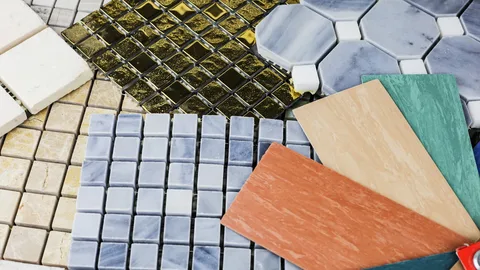
Different rooms need different things. Thus, comparison of tiles before buying will help people to save money later on. All types of floorings have their own advantages. Thus, people need to think about the way of their lives before they choose the right type of floor. Pets and children require stronger floor coverings. Choosing the best floor tile material becomes much easier after comparing each option carefully instead of focusing only on appearance.
“Natural Stone Brings Timeless Beauty”
Natural stone provides a distinctive appearance in that no two pieces are the same. For example, marble, slate, travertine, granite, and limestone all provide different coloring and designs. Therefore, many people use stone when they want a distinct floor design. The only challenge is that natural stone needs more maintenance compared to ceramic and porcelain tiles. Most stone surfaces require sealing for protection from staining and water damage. Moreover, some types of stone may get scratched easily.
Despite the extra maintenance, natural stone can last for decades when cared for properly. Many historic buildings still have their original stone floors today. That floor tile installation in Burbank, CA makes stone an appealing choice for homeowners who value lasting quality.
Choosing the Right Tile for Every Room
Every room has different needs. Therefore, choosing the same tile for the entire house may not always be the best idea. Moisture, foot traffic, and daily use all affect how well flooring performs over time.
Kitchen and Bathroom
Kitchens and bathrooms experience frequent spills and high moisture levels. Because of this, porcelain tile often performs very well. Its dense surface resists water and stays easy to clean.
Living Room and Bedroom
Living rooms and bedrooms usually stay much drier. Therefore, ceramic tile offers a practical balance between beauty and cost. Homeowners also enjoy the wide range of colors and styles available.
Entryways and Hallways
These spaces receive heavy foot traffic every day. As a result, stronger materials such as porcelain or certain natural stones help reduce wear over time.
Matching flooring to each room creates better long-term results. Instead of choosing based only on appearance, homeowners benefit by selecting materials that fit everyday use. This approach helps tiles at home remain attractive and functional for many years.
Simple Care Tips That Help Tile Floors Last Longer
Even the most durable floors need proper maintenance. Luckily, caring for tile floors is a fairly simple task. Certain little things can help your floors look great for years to come.
The following maintenance tips are worth trying:
- Frequent sweeping or vacuuming of dirt.
- Immediate cleaning of spills.
- Cleaners for tile surfaces.
- Installation of doormats close to exterior doors.
- Usage of furniture pads to avoid scratches.
- Reapplication of sealer for natural stone at the right time.
Professional Tile Installation, of course, cannot be underestimated either. Proper spacing, leveling, and grouting ensure that no tiles fall out and create an uneven surface. Proper installation of your tile floor, along with proper care, makes it stay beautiful for many years to come.
A Smart Flooring Choice Starts With the Right Information
Choosing flooring becomes much easier when homeowners understand how each material performs in daily life. Porcelain offers excellent durability, ceramic delivers outstanding value, and natural stone creates unmatched character. Each option serves different needs, and each can become a beautiful part of any home when chosen carefully. Homeowners researching durable tile installation services in Santa Monica, CA often begin by learning about flooring materials before making decisions. Reliable educational resources, along with experienced professionals such as Handyman & More, can help homeowners better understand their options and make informed choices that fit both their homes and their long-term needs.
FAQs
1. What tile flooring material is most durable?
Porcelain tile is generally regarded as the most durable material. It does not absorb water, is scratch resistant, stain-resistant and resistant to heavy foot traffic.
2. Is ceramic tile better than porcelain tile?
Each one is suited to different situations. Ceramic tile is good for many domestic environments because it is inexpensive and attractive.
3. Do natural stone tiles require more maintenance?
Yes, since the majority of natural stone floors have to be sealed to guard against stains and moisture. They also require special cleaning solutions.
4. What type of tile flooring suits families with pets and kids?
Porcelain tiles are usually the most desirable choice because they resist scratching and moisture.
5. How can homeowners choose the appropriate tile flooring?
First, it depends on the usage, moisture level, foot traffic and other criteria.