
A clogged sink usually clears in under 30 minutes: plunge the drain, clean the P-trap, then snake it, finishing with boiling water or a baking soda and vinegar flush.
Most blockages come from grease, food, hair, and soap residue near the drain opening. This step-by-step guide walks you through clogged sink repair, helping you diagnose drain problems and fix a sink that won’t drain before calling a plumber or a Handyman in Culver City, CA.
Diagnose the Problem
Learning to diagnose drain problems starts with locating the blockage.
- If water pools and drains slowly, you likely have a partial clog near the drain opening.
- Gurgling sounds signal a deeper issue in the drain line.
- With a double sink, check both basins. If both back up, the clog sits in the shared drain line.
Multiple slow drains, water backing up between fixtures, or sewage odors point past a single-fixture clog toward the main line.
Ways to Unclog a Sink Yourself
Work from the least invasive method to the most involved. This saves time and protects your pipes.
Six proven DIY fixes clear most single-fixture clogs: plunging, boiling water, a baking soda and vinegar flush, cleaning the P-trap, running a drain snake or auger, and inspecting the garbage disposal.
Grab rubber gloves, a bucket, and a cup plunger before you start. Most blockages give way without harsh chemicals or a service call. If the job turns bigger than expected, professional Handyman Services in Santa Monica, CA can step in.
Plunge the Sink
Always plunge first.
- Add enough water to submerge the plunger cup, then set a flat-rimmed cup plunger over the drain opening to form a tight seal.
- Pump firmly up and down, lifting only slightly on each upstroke.
- On a double sink, block the opposite drain with a rubber stopper.
- Clamp the dishwasher hose to stop backflow.
The pressure dislodges most clogs near the opening. Keep separate plungers for kitchen and bathroom.
Use Boiling Water
Bring a half gallon of water to a rolling boil, remove any standing water, then pour it directly into the drain in a steady stream. The heat dissolves grease and soap buildup.
For tougher blockages, add a half cup of salt first, let it sit a few minutes, then flush. If it doesn’t drain, let the water cool and repeat.
Skip this on PVC pipes and porcelain fixtures. Boiling water can soften or crack them.
Try Baking Soda and Vinegar
This natural method is gentle on pipes and a safer swap for chemical drain openers.
Pour one cup of fresh baking soda down the drain, followed by one cup of white vinegar. Cover the opening with a rubber stopper and let it fizz for 15 minutes, then flush with hot tap water.
It works best on light grease, soap scum, and odors. Stubborn clogs usually need a plunger or snake afterward.
Check and Clean the P-Trap
If plunging fails, go under the sink.
- Place a bucket beneath the P-trap, the curved pipe, to catch water, then unscrew the connectors carefully.
- Inspect the trap for hair, grease, food debris, and buildup, then rinse it thoroughly before reinstalling.
- Hand-tighten the plastic connectors; over-tightening can crack them.
Run water and check for leaks. If the trap is clear but the sink still won’t drain, the clog sits farther up the branch line.
Use a Drain Snake or Auger
For deeper blockages, reach for a drain snake or auger.
Feed the cable into the drain opening until you hit resistance, pull out about a foot of slack, then lock it and turn the crank. The cable bores into the clog. You’ll feel the resistance change once it breaks through.
Retract it, remove the debris, and flush with hot water. If nothing catches, snake the horizontal wall pipe farther up the branch drain.
Inspect the Garbage Disposal
Kitchen sink clogs often start in the garbage disposal.
First, turn it on. Running it may break up the blockage. If it only hums or won’t start, it may have overheated; press the reset switch on the side or bottom of the unit, then try again.
For safety, cut power before reaching inside to remove visible debris. Run water while operating it to confirm the drain flows freely again.
How to Prevent Future Sink Clogs
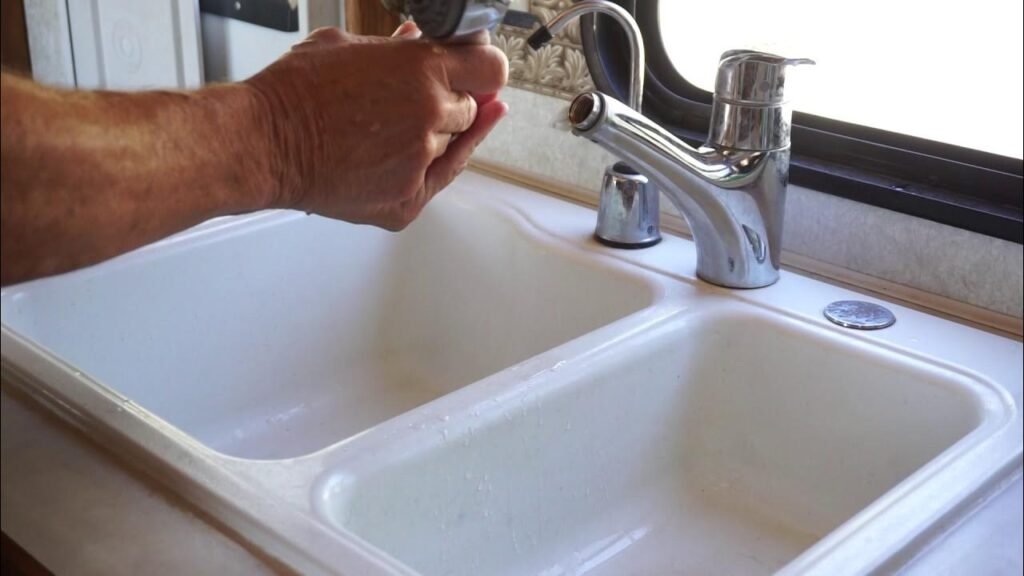
Prevention beats repair.
- Fit sink strainers and hair catchers to trap debris before it reaches the pipe.
- Keep grease, oils, fats, and coffee grounds out of the drain. Collect them in disposable containers or compost.
- Don’t overload the disposal; grind no more than a cup of food waste at a time.
- Flush drains monthly with hot water, and drop vinegar ice cubes into the disposal to scrape away buildup and keep drains clear.
When to Call a Professional Plumber
Some warning signs point past DIY. Call a licensed plumber if you notice:
- Multiple drains clogging at once
- Water backing up between fixtures
- Gurgling sounds from the drains
- Sewage odors indoors
- Clogs that keep returning despite your efforts
These usually signal a main drain line issue, not a simple sink blockage. Avoid chemical drain cleaners, which can corrode pipes. For severe buildup, professionals use drain cameras and hydro jetting to restore flow and prevent burst pipes.
Frequently Asked Questions
Why is my sink clogged but the other drains are fine?
A clog confined to one fixture is almost always a localized blockage in that sink’s trap or branch line, not your main sewer. Hair, soap scum, grease, or food usually collect at the P-trap and can often be cleared with a plunger or snake.
Does baking soda and vinegar really unclog a drain?
It can break down light grease and freshen a smelly drain, but the reaction is gentle and rarely clears a solid clog on its own. Follow it with boiling water, and use a plunger or snake for stubborn blockages.
Is it safe to pour boiling water down the sink?
Boiling water is safe for metal and most PVC drains and works well on grease and soap clogs. Avoid pouring it directly onto porcelain fixtures, and don’t use it on damaged piping.
How long does it take to unclog a sink?
Many single-fixture clogs clear in under 30 minutes using a plunger, P-trap cleaning, or a drain snake. More severe blockages may need professional service.
When should I call a plumber for a clogged sink?
Call a plumber if multiple drains are slow, water backs up into another fixture, you hear gurgling sounds, or DIY methods fail. These symptoms point to a deeper blockage that requires professional equipment.
Why should I avoid chemical drain cleaners?
Chemical cleaners can corrode or crack older and PVC pipes, damage septic systems, and create burn and fume hazards, while often only partially clearing the clog. Mechanical methods like a plunger, snake, or P-trap cleaning are safer first steps.
What causes most kitchen sink clogs?
Most form from grease, food particles, soap residue, and other debris collecting inside the pipe. Kitchen clogs also frequently start in the garbage disposal.
Can I use a plunger on a double sink?
Yes. Block the opposite drain with a rubber stopper to hold the seal, then plunge firmly up and down so the pressure targets the clog.
How do I clean a P-trap?
Place a bucket underneath, unscrew the connectors on the curved pipe, remove hair, grease, and food debris, then rinse it and reattach. Hand-tighten the connectors and check for leaks.
How can I prevent future sink clogs?
Use sink strainers and hair catchers, keep grease and coffee grounds out of the drain, avoid overloading the disposal, and flush drains monthly with hot water.