
A plumbing issue often starts small. However, it can quickly grow into a costly repair if ignored. A slow drain, a dripping faucet, or a running toilet may seem harmless at first. Yet these problems waste water, increase utility bills, and create daily frustration. Learning about common plumbing problems helps homeowners spot warning signs early and avoid bigger issues later. It also makes it easier to know when a simple fix may work and when expert help is needed .Many plumbing problems happen because of normal wear and tear. In other cases, poor maintenance or aging materials cause trouble over time. Fortunately, most issues show clear signs before they become emergencies. Paying attention to unusual sounds, slow drainage, leaks, or changes in water flow can save both time and money.
“A Dripping Faucet Is Never Just a Small Problem”
A dripping faucet may seem like a minor annoyance. Still, every drop adds up over time. Even a slow drip can waste hundreds of gallons of water each year. As a result, water bills often increase without warning. Most faucet leaks happen because washers, O-rings, or seals wear out after years of use. Fortunately, these parts are usually inexpensive and easy to replace.
Ignoring a leak can also damage nearby cabinets, countertops, or flooring. In addition, constant moisture creates the perfect place for mold and mildew to grow. These problems may affect indoor air quality and lead to expensive repairs. Therefore, fixing a dripping faucet early saves both water and money. Regular inspections also help catch loose handles or worn parts before they fail.
Clogged Drains Can Disrupt Everyday Life
A clogged drain is one of the most frustrating household plumbing issues. Water begins draining slowly, unpleasant odors appear, and standing water often follows. Kitchen sinks usually clog because of grease, food scraps, and soap buildup. Meanwhile, bathroom drains collect hair, toothpaste, and soap residue. Likewise, grease should never be poured into the sink because it hardens as it cools. Hot water can also help remove light soap buildup when used regularly. However, chemical drain cleaners should only be used with caution because repeated use may damage pipes. When drains continue to clog despite regular cleaning, the blockage may be deeper inside the plumbing. At that point, commercial plumbing in Beverly Hills, CA becomes the safest solution.
Understanding Low Water Pressure
Few things are more frustrating than weak water flow during a shower or while washing dishes. The loss of water pressure in the house often develops slowly, making it easy to overlook. Mineral deposits inside faucets, leaking pipes, partially closed valves, or aging plumbing may all reduce water flow. Sometimes homeowners suddenly notice no water pressure in house, which usually signals a more serious issue that needs immediate attention.
Before assuming the worst, several simple checks can help. Clean faucet aerators because mineral buildup often blocks water flow. However, if only one fixture loses pressure, the blockage is usually local. Finding the source early helps prevent unnecessary repairs and restores normal water flow much faster.
“Running Toilets Waste More Than Water”
A running toilet may seem harmless because it often makes little noise. However, it can waste thousands of gallons of water every year. Most toilets continue running because the flapper no longer seals properly. In other cases, the fill valve or float mechanism stops working as it should.
Several warning signs make this problem easy to spot. Watch for these common symptoms:
● Water continues running after flushing.
● The tank refills again without anyone using the toilet.
● Higher water bills appear without another clear reason.
● A constant trickling sound comes from the tank.
Fortunately, many toilet repairs involve replacing inexpensive parts inside the tank. Regular inspections also help prevent unexpected failures. In addition, checking toilets every few months keeps water waste under control. Small repairs today protect both household budgets and valuable water resources.
Hidden Leaks Can Cause Serious Damage
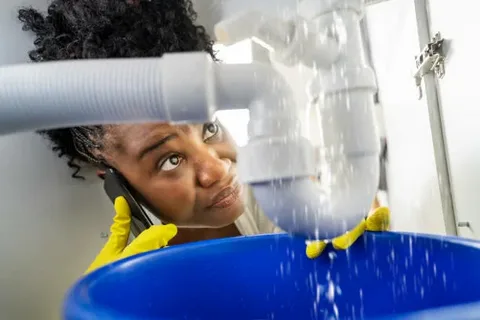
Not every plumbing problem is easy to see. Some leaks stay hidden behind walls, under floors, or beneath sinks for weeks or even months. During that time, water slowly damages wood, drywall, and insulation. As a result, repair costs continue to grow. Damp areas also create the perfect conditions for mold growth, which may affect indoor air quality. Therefore, finding hidden leaks early protects both the home and the people living inside it.
Several warning signs often appear before major damage occurs.
● Unexplained increases in the water bill
● Damp spots on walls or ceilings
● Musty odors that do not go away
● Peeling paint or bubbling wallpaper
● Water stains around cabinets or flooring
Regular expert plumbing in Burbank, CA helps detect hidden leaks before they become expensive repairs. Likewise, paying attention to unusual moisture or unexpected water use can prevent long-term structural damage and reduce repair costs.
Water Heater Problems Can Interrupt Daily Comfort
Hot water plays an important role in everyday life. It supports showers, laundry, cooking, and cleaning. Therefore, water heater problems quickly become noticeable. Aging equipment, sediment buildup, worn heating elements, and faulty thermostats often reduce performance over time. In some homes, the result is no water coming from the hot water tap, while others experience inconsistent temperatures throughout the day.
Strange noises, rusty water, or longer heating times often signal that repairs may be needed. Waiting too long can increase energy costs and shorten the equipment’s lifespan. Regular emergency plumbing in Santa Monica, CA keep hot water available while helping homeowners avoid sudden disruptions to daily routines.
Plumbing Problems in Bathrooms
The bathrooms in a home experience constant daily use. Because of this, plumbing parts naturally wear down over time. Faucets drip, toilets develop leaks, drains clog, and showerheads collect mineral deposits. Although these issues may seem minor, they often become more expensive if ignored.
Keeping bathroom plumbing in good condition starts with simple habits.
Everyday habits that help prevent problems
● Wipe excess hair from shower drains.
● Avoid flushing anything except toilet paper.
● Check faucets and toilets for small leaks.
● Clean showerheads to remove mineral buildup.
● Watch for slow drains or unusual odors.
Regular maintenance also helps prevent many common plumbing problems before they interrupt daily life. Small inspections only take a few minutes but can save hundreds of dollars in future repairs. Paying attention to small warning signs keeps bathrooms cleaner, safer, and more efficient throughout the year.
Small Plumbing Habits Make a Big Difference
Many plumbing problems begin with simple daily habits. Fortunately, small changes often prevent expensive repairs later. Avoid pouring grease into kitchen drains because it hardens inside pipes. Staying informed about common plumbing concerns creates a safer, more comfortable living space while reducing long-term expenses. For homeowners looking for reliable plumbing guidance and home maintenance information, Handyman & More offers helpful resources that support smarter home care decisions.
FAQs
1. What are the most common plumbing problems in a home?
The most common plumbing problems include leaking faucets, clogged drains, running toilets, low water pressure, hidden pipe leaks, and water heater issues. Regular maintenance helps prevent costly repairs.
2. What causes low water pressure in a house?
Low water pressure may result from clogged faucet aerators, leaking pipes, partially closed valves, mineral buildup, or problems with the municipal water supply. Early inspection helps identify the cause.
3. How can clogged drains be prevented?
Prevent clogged drains by using drain strainers, avoiding grease disposal in sinks, removing hair regularly, and flushing drains with hot water to reduce buildup over time.
4. When should a plumbing leak be repaired?
A plumbing leak should be repaired as soon as it is discovered. Even small leaks can waste water, increase utility bills, encourage mold growth, and damage walls or flooring.
5. How often should home plumbing be inspected?
A complete plumbing inspection is recommended at least once a year. Regular inspections help identify hidden issues early, improve efficiency, and reduce the risk of unexpected plumbing emergencies.