
Walk into almost any Los Angeles open house this year and you will hear the same question: is that real wood? More and more often, the answer is no. Today’s luxury vinyl plank flooring copies the grain, color and texture of oak, hickory and walnut so closely that most visitors cannot tell the difference without kneeling down and touching it.
That is exactly why choosing between vinyl and wood flooring has become harder. The two can look nearly identical on day one, yet they behave very differently over ten or twenty years. One handles a flooded kitchen without complaint. The other can be sanded and refinished to look new again decades from now.
This guide breaks down the five differences that matter most when you compare vinyl & wood flooring: what each is made of, how it handles water, how long it lasts, what it costs, and how it affects comfort and resale value. We also cover laminate vs vinyl flooring, rigid core vs flexible vinyl, and which floor fits each room of a typical Southern California home.
The quick answer:
- Choose vinyl for kitchens, bathrooms, laundry rooms, rentals and homes with pets or young kids. Waterproof vinyl flooring shrugs off spills and costs less to install.
- Choose hardwood for living rooms, dining rooms and bedrooms where you want the most natural look, long-term value and the option to refinish.
- Many LA homeowners use both: vinyl wood flooring in wet areas and real wood in the main living spaces, with matching tones so the house still flows.
What Is the Difference Between Vinyl and Wood Flooring?
Hardwood flooring is made from real timber. Solid hardwood is one piece of wood, usually about 3/4 inch thick. Engineered hardwood has a real wood top layer bonded to a plywood or composite core, which makes it more stable when humidity changes.
Vinyl flooring is a synthetic, PVC-based product. Modern luxury vinyl plank flooring is built in layers: a clear wear layer on top, a high-resolution printed image of wood below it, a core, and often an attached underlayment. Because the wood look is a photograph, vinyl can mimic any species or stain at a fraction of the cost. If you are weighing real wood options too, our guide to Vinyl vs. Engineered Hardwood Flooring explains how engineered boards are built and which brands hold up best.
| Feature | Vinyl (LVP) | Hardwood |
| Material | PVC layers with a printed wood image | Real wood, solid or engineered |
| Water | Waterproof surface and core | Water-sensitive; spills must be wiped quickly |
| Typical lifespan | About 10 to 25 years, by wear layer | Decades, with refinishing |
| Installed cost (national) | About $3 to $10 per sq ft | About $6 to $25 per sq ft |
| Repair | Replace damaged planks | Sand and refinish, or replace boards |
| Resale appeal | Good, especially in wet areas | Highest buyer appeal |
Difference 1: Water Resistance and Moisture
This is the biggest practical difference between vinyl and wood flooring, and it should be the first question you ask about each room.
Why Waterproof Vinyl Flooring Wins in Wet Rooms
Waterproof vinyl flooring is made of plastic all the way through, so water does not swell, warp or stain it. A dishwasher leak, a dog’s water bowl or a wet bath mat will not damage the planks. That makes vinyl the safer choice for kitchens, full bathrooms, laundry rooms, mudrooms and garage conversions.
One caution: “waterproof” describes the planks, not the floor underneath. Standing water can still seep through seams and around the edges and reach the subfloor. Good installation, sealed perimeters in bathrooms and a quick response to leaks still matter.
How Hardwood Reacts to Water and Humidity
Wood absorbs moisture. Small spills wiped up promptly are fine, but standing water can cause cupping, crowning, dark stains and gaps. Hardwood also expands and contracts with seasonal humidity. In Los Angeles that means the dry, hot Santa Ana winds in fall and the damp marine layer near the coast in late spring can both make boards move.
Engineered hardwood handles these swings better than solid wood, and it is usually the right wood choice over the concrete slab foundations common in LA homes and condos. Either way, the installer should test the subfloor for moisture and let the wood acclimate before installation.
Difference 2: Durability, Wear and Lifespan
How Long Luxury Vinyl Plank Flooring Lasts
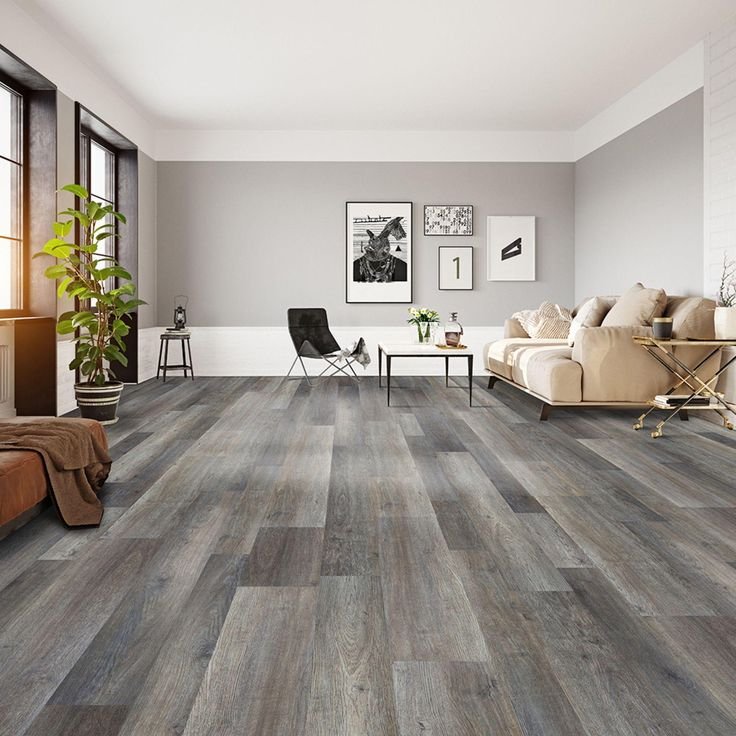
The wear layer is what protects luxury vinyl plank flooring from scratches and scuffs, and its thickness is measured in mils. As a general guide:
- 6 to 12 mil: light-traffic rooms such as guest bedrooms.
- 12 to 20 mil: most homes, including families with kids and pets.
- 20 mil and up: heavy traffic and light commercial spaces.
A good-quality LVP floor with a 12 to 20 mil wear layer often lasts 10 to 25 years. Vinyl resists scratches well, but heavy furniture can dent it, and sharp objects can cut it. Because the wood look is printed, a deep gouge cannot be sanded out. The fix is to replace the damaged plank, which is easy with click-lock floors if you keep a few spare boxes.
How Long Hardwood Lasts
Hardwood is softer on the surface than many people expect. Pet claws, high heels and grit can scratch it, and softer species such as pine and American cherry show marks faster than white oak or hickory. The difference is that wood can be renewed. Angi notes that solid hardwood can be refinished multiple times, while engineered wood can usually be refinished once or twice, depending on the thickness of its top layer. With routine care and a refinish every 10 years or so, a hardwood floor can last for generations.
Difference 3: Cost of Vinyl & Wood Flooring
Price is often the deciding factor. Based on national averages from Angi:
| Floor type | Typical installed cost per sq ft | Typical project total |
| Luxury vinyl plank (LVP) | About $3 to $10 | About $1,000 to $4,100 for most vinyl jobs |
| Standard hardwood | About $6 to $12 | About $2,500 to $7,000 |
| Premium or wide-plank hardwood | About $13 to $25 | Higher, depending on size and species |
Sources: Angi’s vinyl flooring cost guide and Angi’s hardwood flooring cost guide. Los Angeles prices usually land in the upper half of national ranges because of local labor costs.
Several factors move the final number for either material:
- Subfloor prep. Leveling a concrete slab or repairing a damaged plywood subfloor adds cost, and vinyl needs a flatter surface than wood.
- Removal of the old floor. Tearing out carpet, tile or old hardwood adds labor and disposal fees.
- Installation method. Floating click-lock vinyl is usually the fastest to install. Glue-down vinyl and nail-down or glue-down hardwood take more time.
- Room layout. Stairs, hallways and rooms with many doorways and cuts take longer than a large open room.
- Trim and transitions. New baseboards, quarter round, stair nosing and thresholds are often forgotten in early budgets.
Vinyl wins on upfront cost. Hardwood can close the gap over time, because a refinish costs far less than tearing out and replacing a worn vinyl floor.
Difference 4: Look, Feel and Comfort
High-end vinyl wood flooring looks remarkably real. Embossed-in-register textures line up the surface grain with the printed image, and wide, long planks avoid the repeating patterns that gave older vinyl away. Still, there are differences you can notice:
- Pattern repeats. Even good vinyl repeats its print every few planks. Real wood has unique grain on every board.
- Feel underfoot. Hardwood feels solid and slightly warm. Vinyl is softer and quieter, especially with an attached pad, which many people prefer in bedrooms and upstairs units.
- Sound. A floating vinyl floor can sound hollow if the subfloor is uneven. Nail-down hardwood sounds solid.
- Aging. Hardwood develops a natural patina and can change color with sunlight. Vinyl looks the same for most of its life, then shows wear in high-traffic paths.
Rigid Core vs. Flexible Vinyl Planks
Not all luxury vinyl plank flooring is the same. Flexible (dry-back) vinyl is thin and usually glued down. It is quiet and affordable but shows every bump in the subfloor. Rigid core vinyl uses a stiff stone-plastic (SPC) or wood-plastic (WPC) core and clicks together as a floating floor.
- SPC (stone-plastic composite) is dense and very dent-resistant. It is a strong pick for busy kitchens, entryways and rentals.
- WPC (wood-plastic composite) is thicker and a little softer, so it feels warmer and quieter underfoot in living areas and bedrooms.
- Flexible glue-down vinyl suits very flat floors, commercial spaces and areas where a low profile matters, such as next to existing tile.
For most LA homes with slab foundations, a rigid core product hides minor slab imperfections better and installs faster.
Difference 5: Resale Value and Long-Term Return
Hardwood still carries the most weight with buyers. In the National Association of REALTORS 2022 Remodeling Impact Report, new wood flooring was estimated to recover about 118% of its cost at resale, and refinishing existing hardwood was estimated at about 147%. Real estate listings in Los Angeles regularly mention “hardwood floors” as a selling point.
Vinyl adds value too, especially when it replaces worn carpet or dated tile. Buyers increasingly see quality LVP as a practical upgrade for kitchens, baths and family rooms. If you plan to sell within a few years, vinyl offers a fresh look at a lower cost. If you plan to stay for decades, hardwood usually returns more over its life.
Laminate vs Vinyl Flooring: Where Laminate Fits
Laminate is often lumped in with vinyl because it also uses a printed wood image. The key difference is the core. Laminate is built on high-density fiberboard, which is wood-based, while vinyl is plastic.
- Water. Many newer laminates are water-resistant for a set number of hours, but a long leak can still swell the core. Vinyl is the safer pick in bathrooms and laundry rooms.
- Scratch resistance. Laminate’s hard top layer resists scratches very well, which suits homes with large dogs.
- Feel. Laminate feels harder and can sound louder. Vinyl is softer and quieter.
- Cost. Both are budget-friendly and usually cost less installed than hardwood.
In short, when comparing laminate vs vinyl flooring, laminate works well in dry living areas, while vinyl is the more forgiving choice anywhere water is likely.
Which Floor Is Best for Each Room?
| Room | Best fit | Why |
| Kitchen | Rigid core LVP (SPC) | Spills, dropped dishes and heavy traffic |
| Full bathroom | Waterproof vinyl flooring | Constant moisture and splashes |
| Laundry room / mudroom | Waterproof vinyl flooring | Leaks, wet shoes and pet bowls |
| Living and dining rooms | Hardwood or engineered hardwood | Best look, resale appeal and refinishing |
| Bedrooms | Hardwood or WPC vinyl | Warmth, comfort and low traffic |
| Basement or slab-level rooms | Rigid core LVP or engineered wood | Moisture from concrete and minor slab dips |
| Rental units | Luxury vinyl plank flooring | Durable, affordable and easy to repair between tenants |
Vinyl & Wood Flooring Tips for Los Angeles Homes
A few local conditions shape the right choice in Culver City, Santa Monica, Burbank and across LA:
- Test the slab. Many LA homes and most condos sit on concrete. A moisture test tells you whether you need a vapor barrier and whether engineered wood or vinyl is the better fit.
- Plan for sunlight. Strong Southern California sun can fade hardwood and some vinyl products near large windows and sliding doors. Choose UV-resistant finishes and use window coverings.
- Check HOA rules. Many condo buildings require sound-rated underlayment for hard floors. Ask for the required IIC/STC ratings before you buy flooring.
- Think about indoor-outdoor living. Homes that open to patios and yards see more sand and grit, which scratches hardwood. Entry mats and vinyl near doors help.
- Ask about indoor air. Look for vinyl and finishes certified for low VOC emissions, such as FloorScore, especially in bedrooms and nurseries.
Should You DIY or Hire a Pro?
Click-lock vinyl is one of the more DIY-friendly floors, but most failures come from prep, not the planks. Uneven subfloors cause gaps and hollow spots. Missing expansion gaps cause buckling. Skipping a moisture test can void the warranty. Hardwood installation, sanding and finishing are best left to professionals, since mistakes are hard to undo.
A professional installer will check flatness and moisture, recommend the right product for each room, handle trim and transitions, and leave you with a floor that keeps its warranty.
Frequently Asked Questions
Is vinyl flooring better than hardwood?
Neither is better in every room. Vinyl is better for wet areas, pets, kids and tighter budgets. Hardwood is better for long-term value, natural character and the ability to refinish. Many homes use vinyl & wood flooring together.
Is luxury vinyl plank flooring really waterproof?
Most rigid core LVP is waterproof, meaning the planks will not swell or warp. Water can still pass through seams to the subfloor, so wipe up spills and fix leaks quickly.
How long does vinyl wood flooring last compared to hardwood?
Quality vinyl wood flooring with a 12 to 20 mil wear layer often lasts 10 to 25 years. Hardwood can last for decades because it can be sanded and refinished.
Does vinyl flooring increase home value?
Yes, especially when it replaces old carpet or worn tile. Hardwood still carries the strongest buyer appeal, but quality LVP is widely accepted in kitchens, baths and family rooms.
Which is better, laminate or vinyl?
Vinyl is better wherever water is a concern. Laminate offers excellent scratch resistance and works well in dry living areas. Both cost less than hardwood.
Can you put vinyl flooring over existing hardwood?
Often, yes, if the hardwood is flat, secure and dry. Many homeowners refinish good hardwood instead, since it is usually cheaper than covering it and adds more value.
Get a Free Vinyl & Wood Flooring Estimate
Not sure which floor fits your home? Our team will look at each room, check your subfloor, and explain the trade-offs in plain terms, whether that means waterproof vinyl in the kitchen, hardwood in the living room, or a mix of both. Explore our Vinyl Flooring Services in Los Angeles, CA, or, if you are on the Westside, see our full range of Handyman Services in Culver City, CA.