
Gray film on the stucco. Dark tire marks on the driveway. A green tint creeping across the shady side of the patio. Sooner or later, every Culver City homeowner looks at the outside of the house and thinks, “I could just rent a pressure washer and handle this myself.”
Sometimes that is true. Pressure washing a small concrete pad on a Saturday morning is a reasonable DIY job. Washing a two-story stucco home, a 1950s bungalow with old paint, or a wood deck is a different story, and the wrong nozzle can do more damage in five seconds than a year of dirt.
This guide compares professional pressure washing and DIY on cost, results, safety, time and the local rules that apply in Culver City, so you can decide which one fits your home.
The quick answer:
- DIY pressure washing works for small, flat concrete jobs if you use the right pressure and nozzle.
- A professional pressure washing service is the safer choice for siding, stucco, wood, roofs, second stories and homes built before 1978.
- A typical professional job costs about $212 to $447, while a one-day rental runs $35 to $175 before cleaners, fuel and your time.
- Culver City limits hosing down hard surfaces, so the method and the runoff both matter.
Pressure Washing vs. Power Washing: Is There a Difference?
The two terms are often used interchangeably, and most homeowners mean the same thing by both. Technically, power washing uses heated water, which cuts through oil and grease faster, while pressure washing uses unheated water at high pressure.
For most homes, the method matters less than the setup: the right pressure, nozzle, cleaner and rinse for each surface. If you want a deeper look at what a clean exterior does for your home, read our guide to the benefits of Power Washing.
What DIY Pressure Washing Really Involves
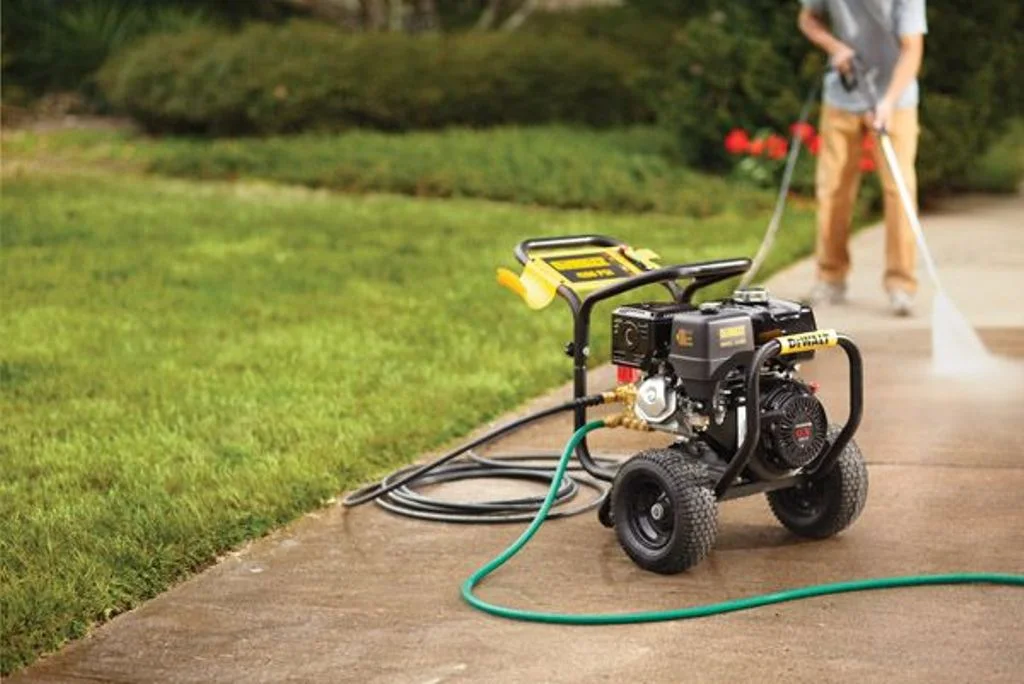
Renting or buying a machine is only the start. A good DIY result depends on matching the equipment to each surface and working carefully across the whole job.
The Equipment and Settings You Need
Pressure is measured in PSI (pounds per square inch), and water flow in GPM (gallons per minute). More PSI is not always better. Each surface has a safe range, and the nozzle you choose changes the force as much as the machine does.
| Surface | Typical safe pressure | Recommended nozzle | Common DIY mistake |
| Concrete driveways and walkways | 2,500 to 3,000 PSI | 15° or 25°, or a surface cleaner | Holding the wand still, which leaves stripes |
| Pavers and brick | 1,500 to 2,500 PSI | 25° | Blasting out joint sand |
| Stucco and painted siding | Low pressure, about 500 to 1,200 PSI | 40° or soap nozzle | Driving water behind the stucco or siding |
| Wood decks and fences | 500 to 1,200 PSI | 40° | Raising and furring the wood grain |
| Windows and screens | Rinse only | 40° | Breaking seals and tearing screens |
Pressure ranges are general guidelines. Always test a hidden spot first, and follow the manufacturer’s instructions for your machine and surface.
The True Cost of DIY Pressure Washing
DIY looks cheaper on paper, and for a small job it can be. HomeAdvisor puts pressure washer rentals at $35 to $175 per day, and HowMuchIsIt lists typical gas units around $75 to $100 a day.
Then the extras add up:
- Surface cleaner attachment, extension wand or ladder
- Detergents and mildew cleaners made for pressure washers
- Fuel for a gas machine, plus transport and pickup
- Safety glasses, gloves and closed-toe shoes
- A full weekend of your time for a whole-house job
If a nozzle chips paint, etches concrete or forces water behind stucco, the repair often costs more than hiring a pro in the first place.
What a Professional Pressure Washing Service Brings
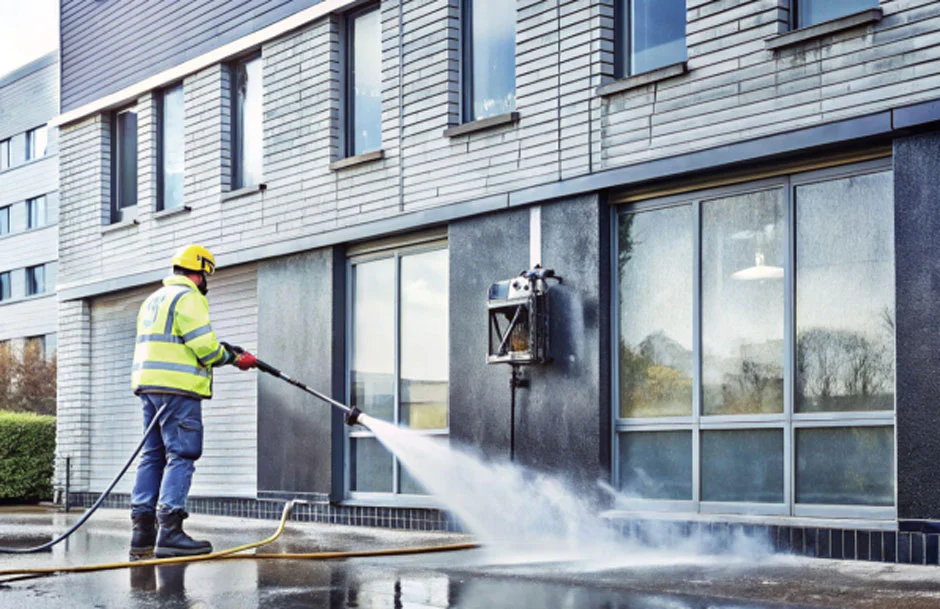
A professional pressure washing service is not just a bigger machine. It is the judgment to know which surfaces need high pressure, which need a gentle soft wash, and which should not be pressure washed at all.
Equipment and Methods Matched to Each Surface
Pros use commercial-grade machines, surface cleaners for flat concrete, and soft washing for stucco, siding and roofs. Soft washing uses low pressure with a cleaning solution that breaks down mildew, algae and grime, then rinses it away without forcing water into the walls.
A professional crew also looks for problems before they start, such as loose stucco, failing caulk, peeling paint or gaps around windows. Catching these first prevents water damage that a quick DIY pass can cause.
What House Pressure Washing in Los Angeles Costs
HomeAdvisor reports a national average of about $310 for pressure washing, with most homeowners paying $212 to $447. Rates generally run $0.10 to $0.50 per square foot for pressure washing and $0.15 to $0.75 for heated power washing.
Quotes for house pressure washing Los Angeles homeowners receive vary with the size of the home, the number of stories, surface types, and how much buildup there is. A single-story home with a driveway sits at the low end, while a two-story stucco home with a deck and patio sits higher. Ask for a written quote that lists every surface included.
Professional vs. DIY Pressure Washing: Side by Side
| Factor | DIY pressure washing | Professional pressure washing |
| Upfront cost | $35 to $175 per day rental, plus supplies | About $212 to $447 for a typical job |
| Time | Often a full weekend for a whole house | Most homes done in one visit |
| Equipment | Consumer or rental machines | Commercial machines, surface cleaners, soft wash systems |
| Surface risk | Higher, especially on stucco, wood and paint | Lower, with pressure matched to each surface |
| Personal safety | Ladder, spray and engine exhaust risks | Handled by a trained crew |
| Runoff and water rules | Your responsibility | Pro plans the wash and water control |
| Best for | Small concrete pads, patio furniture, trash bins | Whole-house exteriors, second stories, roofs, decks, older homes |
Culver City Rules and Conditions to Know Before You Wash
Culver City has its own mix of water rules, older housing and coastal weather. These local factors change how a responsible pressure washing job should be done.
Water-Use Rules for Driveways and Sidewalks
California rules permanently prohibit hosing off sidewalks, driveways and other hardscapes, according to the City of Culver City. The Culver City Municipal Code allows washing paved surfaces only for safety or sanitary reasons, or with approved equipment such as a low-volume, high-pressure cleaning machine equipped to recycle the water, or a low-volume, high-pressure water broom.
Culver City homes are served by either LADWP or Golden State Water Company, depending on the address, and each provider can add its own restrictions. A local pro keeps up with these rules so you do not have to.
Keep Wash Water Out of the Storm Drain
Storm drains in Culver City carry water straight to Ballona Creek and on to Santa Monica Bay, with no treatment along the way. Soapy water, oil from a driveway and paint chips should not be washed into the gutter. Professionals plan where the water goes, use the right cleaners, and block or collect runoff when needed.
Stucco, Older Homes and Lead Paint
Stucco is everywhere in Culver City, and it is porous. High pressure can crack it, etch the finish, or push water behind it, where it feeds mold and rot. Soft washing is the safer method.
Many homes here were built before 1978. The U.S. Environmental Protection Agency notes that homes built before 1978 may contain lead-based paint. Blasting old, flaking paint with a pressure washer can spread lead chips and dust across your yard. If your home is that age, talk to a professional before you pick up a wand.
Coastal Air and Seasonal Grime
Culver City sits only a few miles from the coast. Marine moisture helps mildew and algae grow on shady walls, fences and north-facing patios, while summer dust and traffic film settle on everything else. That mix is why many local homes look dull again within a year.
When DIY Pressure Washing Makes Sense, and How to Do It Safely
DIY can be a good fit for a small, single-level concrete patio, a short walkway, trash bins or outdoor furniture. If you go that route, follow these safety basics:
- Start with the widest nozzle. Begin with a 40° tip and move narrower only if needed. Never use the 0° red tip on home surfaces.
- Keep your distance. Hold the wand 12 to 24 inches away and keep it moving.
- Protect yourself. Wear safety glasses, gloves and closed-toe shoes. Never point the spray at a person, pet or plant.
- Stay off the ladder. Spray recoil can knock you off balance. Leave second-story work to a pro.
- Run gas engines outdoors only. The U.S. Consumer Product Safety Commission warns that gas engines produce carbon monoxide, so never run one in a garage or near open windows.
- Control the runoff. Sweep loose debris first and keep wash water out of the gutter.
The risk is real. Consumer Reports, citing CPSC data, reported an estimated 6,057 emergency room visits in a single year from pressure washer injuries, and 14 percent of those patients were hospitalized (Consumer Reports).
When to Call a Pro for Residential Pressure Washing
Residential pressure washing is worth handing off when any of these apply:
- Your home has stucco, wood or painted siding. These surfaces need low pressure and the right cleaner.
- You have a second story or a roof to clean. Ladders and spray recoil are a dangerous mix.
- Your home was built before 1978. Old paint may contain lead.
- There are oil, rust or deep mildew stains. These need the right chemistry, not just more pressure.
- You are preparing to sell or rent. A clean exterior makes a strong first impression in photos and showings.
- You want it done in one visit. A crew can finish in hours what might take you a weekend.
How to Choose a Pressure Washing Service in Culver City
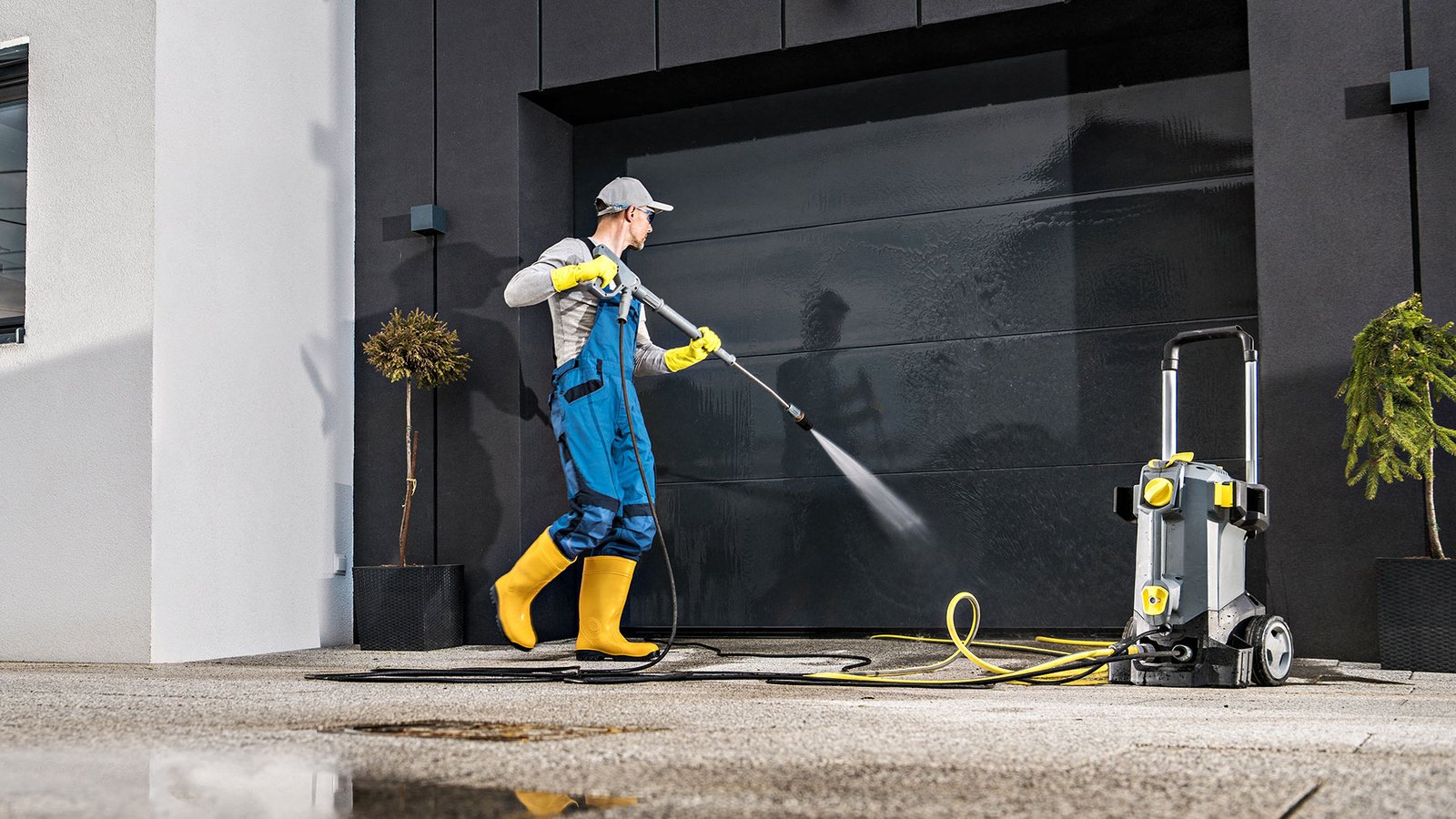
Not every company with a pressure washer is a good fit for your home. Before you book, ask these questions:
- Are you insured, and can you show proof of liability coverage?
- Which surfaces do you soft wash, and which do you pressure wash?
- How do you handle runoff and local water rules?
- Do you test a small area before cleaning the whole surface?
- Is the quote written, with every surface listed?
- Can you also fix what you find, such as loose trim, cracked caulk or peeling paint?
That last question is where a handyman company stands out. A crew that also handles painting, repairs and maintenance can spot and fix small problems during the same visit. Homeowners who want one reliable call for cleaning and repairs often look for a Trusted Handyman in Los Angeles for exactly that reason.
Frequently Asked Questions
Is pressure washing worth the money?
Yes, for most homes. Professional pressure washing removes buildup that wears down paint, concrete and wood, improves curb appeal, and costs far less than repairing surfaces damaged by a DIY mistake.
How often should a Culver City home be pressure washed?
Most homes benefit from a full exterior cleaning about once a year. Shady walls, patios near trees and driveways with heavy use may need attention more often.
Can pressure washing damage stucco?
Yes. High pressure can crack, etch or soak stucco. A professional pressure washing service uses soft washing, which cleans stucco at low pressure with a cleaning solution.
Is it legal to pressure wash my driveway in Culver City?
Hosing off hard surfaces is restricted. The city code allows exceptions for safety or sanitary hazards and for approved low-volume, high-pressure equipment that recycles water. Check your water provider’s current rules, or hire a pro who follows them.
How long does professional residential pressure washing take?
Most single-family homes are finished in a few hours to one day, depending on the size of the home and the surfaces included.
What is the difference between pressure washing and soft washing?
Pressure washing relies on high water pressure to remove dirt from hard surfaces like concrete. Soft washing uses low pressure and a cleaning solution to safely clean stucco, siding and roofs.
About Handyman & More
Handyman & More has served Southern California homeowners since 1981. The team works across Culver City, Los Angeles, Santa Monica, Beverly Hills and Burbank.
Along with pressure and power washing for driveways, patios, walls, decks and fences, Handyman & More offers painting, tile and flooring installation, roofing, plumbing, electrical work, junk removal and general home maintenance. Estimates are free, and seniors receive a discount.
Get a Free Pressure Washing Estimate in Culver City
DIY makes sense for a small slab of concrete. For the rest of your home, professional pressure washing gives you a cleaner result in less time, without risking your stucco, paint, deck or your own safety.
Handyman & More brings the right equipment, the right pressure for every surface, and the experience to spot repairs before they grow. If you are looking for a reliable Handyman in Culver City we are ready to help.
Call (310) 384-2264 today for your free estimate. Tell us which surfaces you want cleaned, and we will give you a clear, written quote.